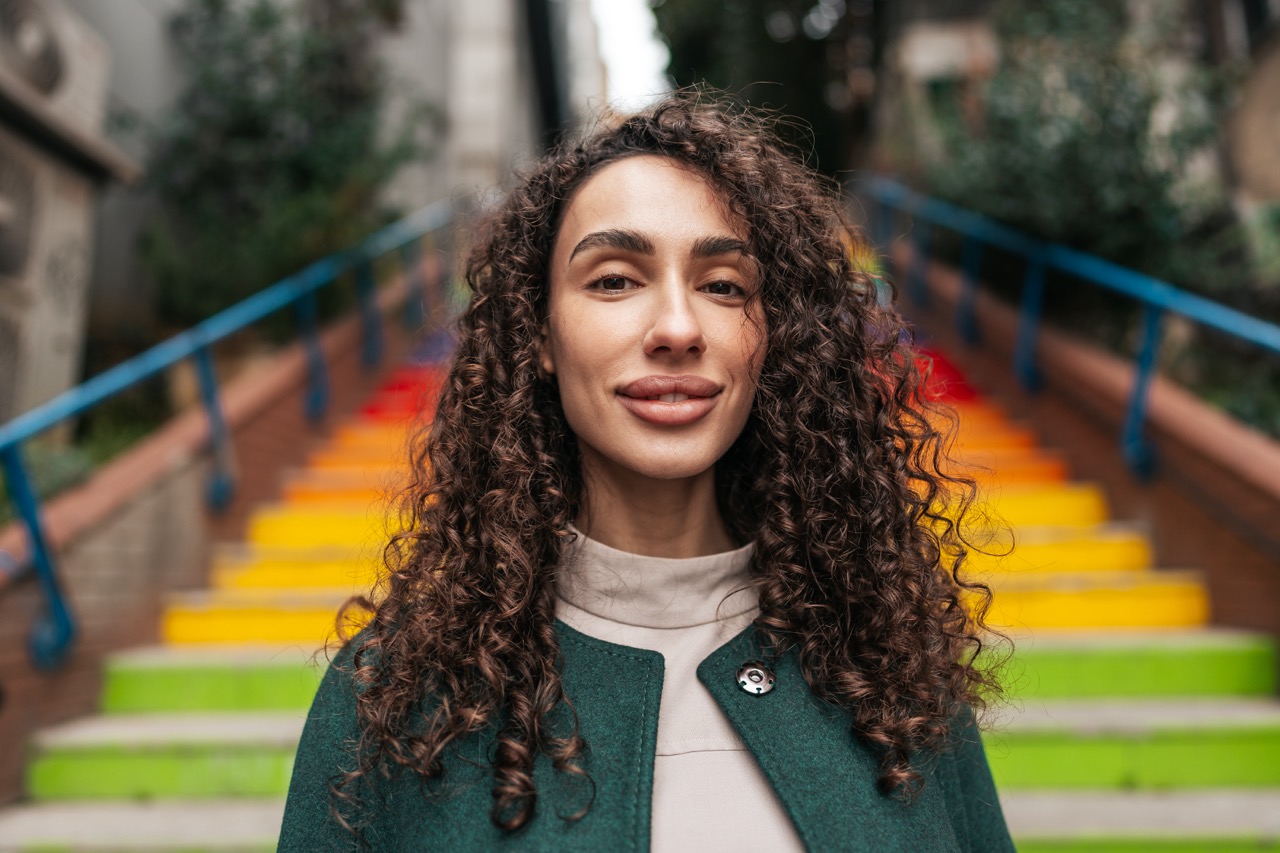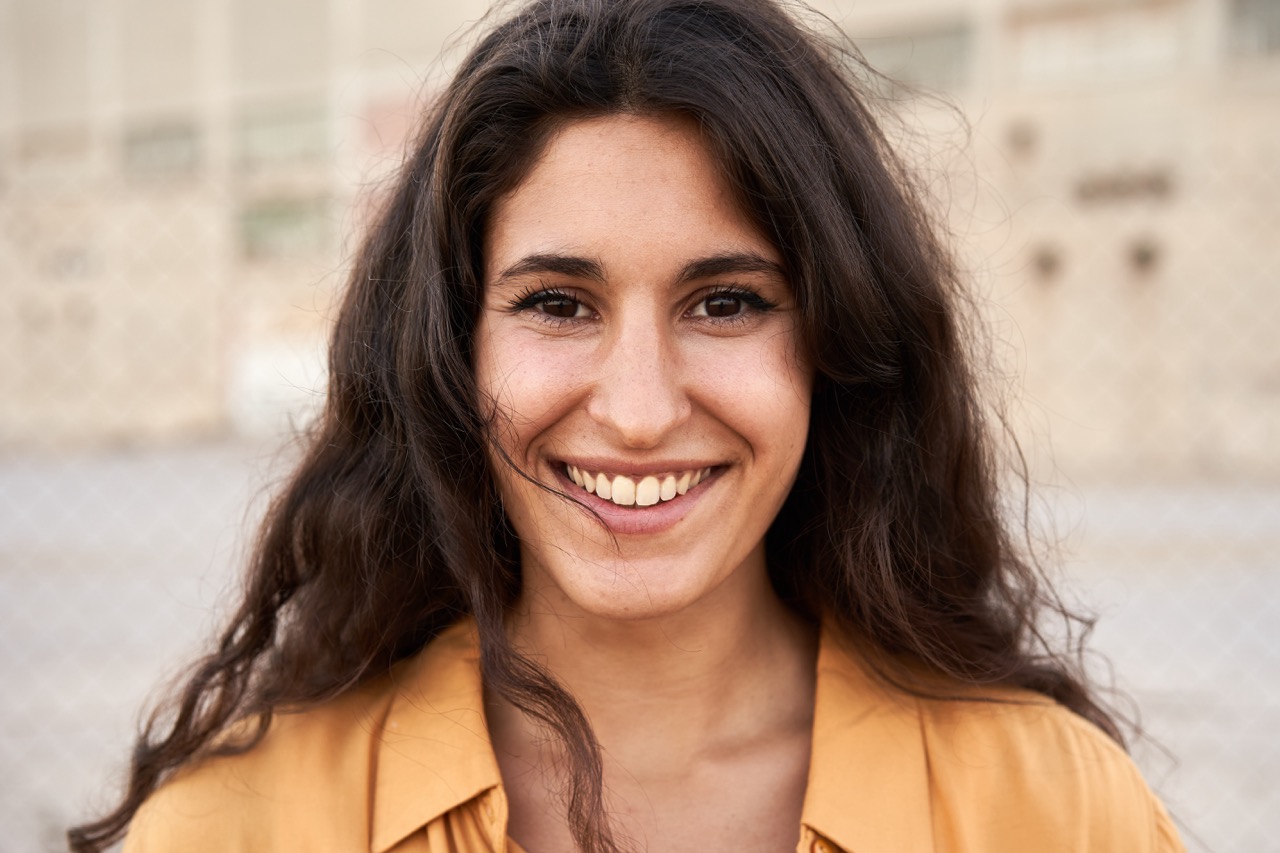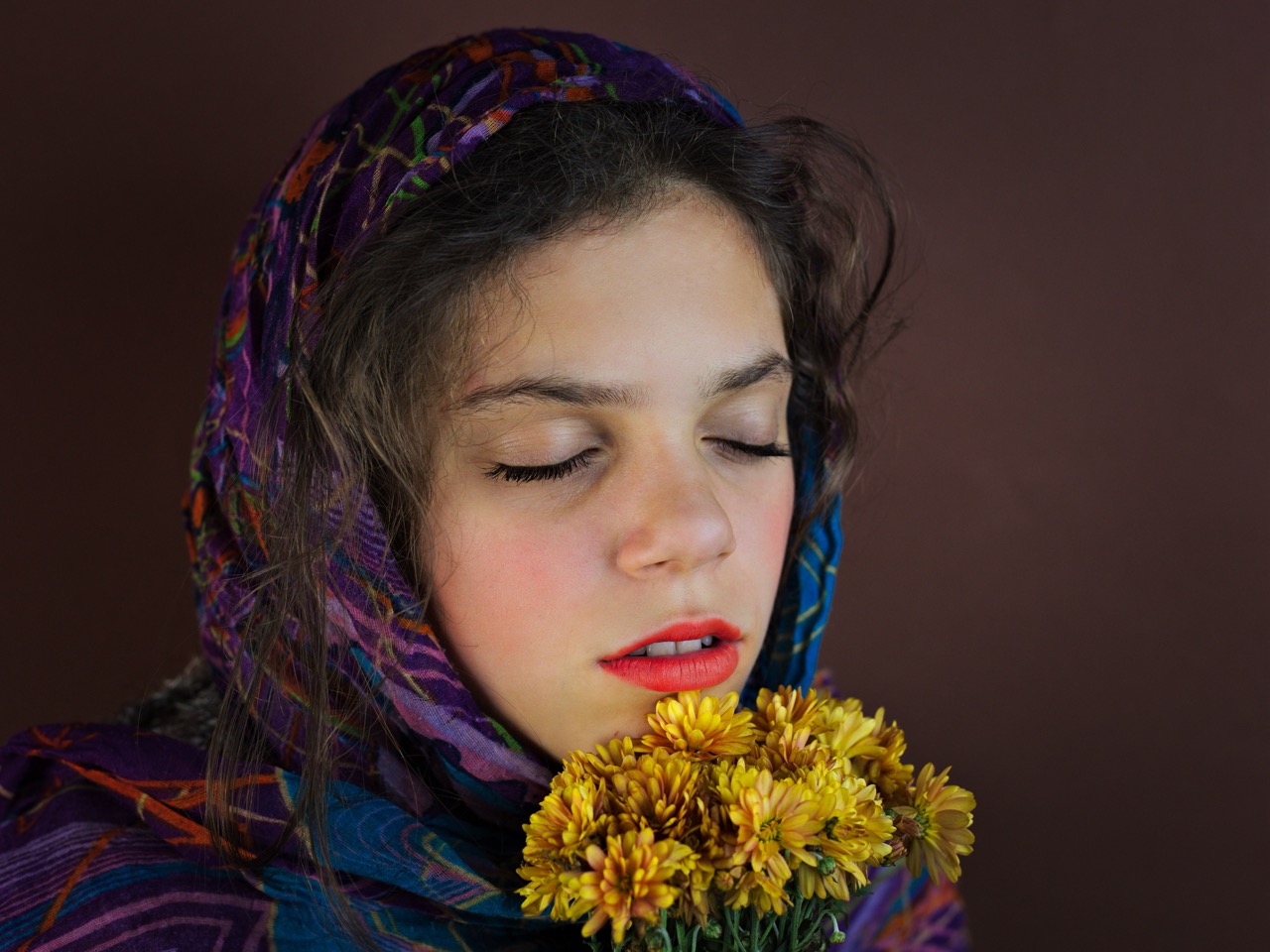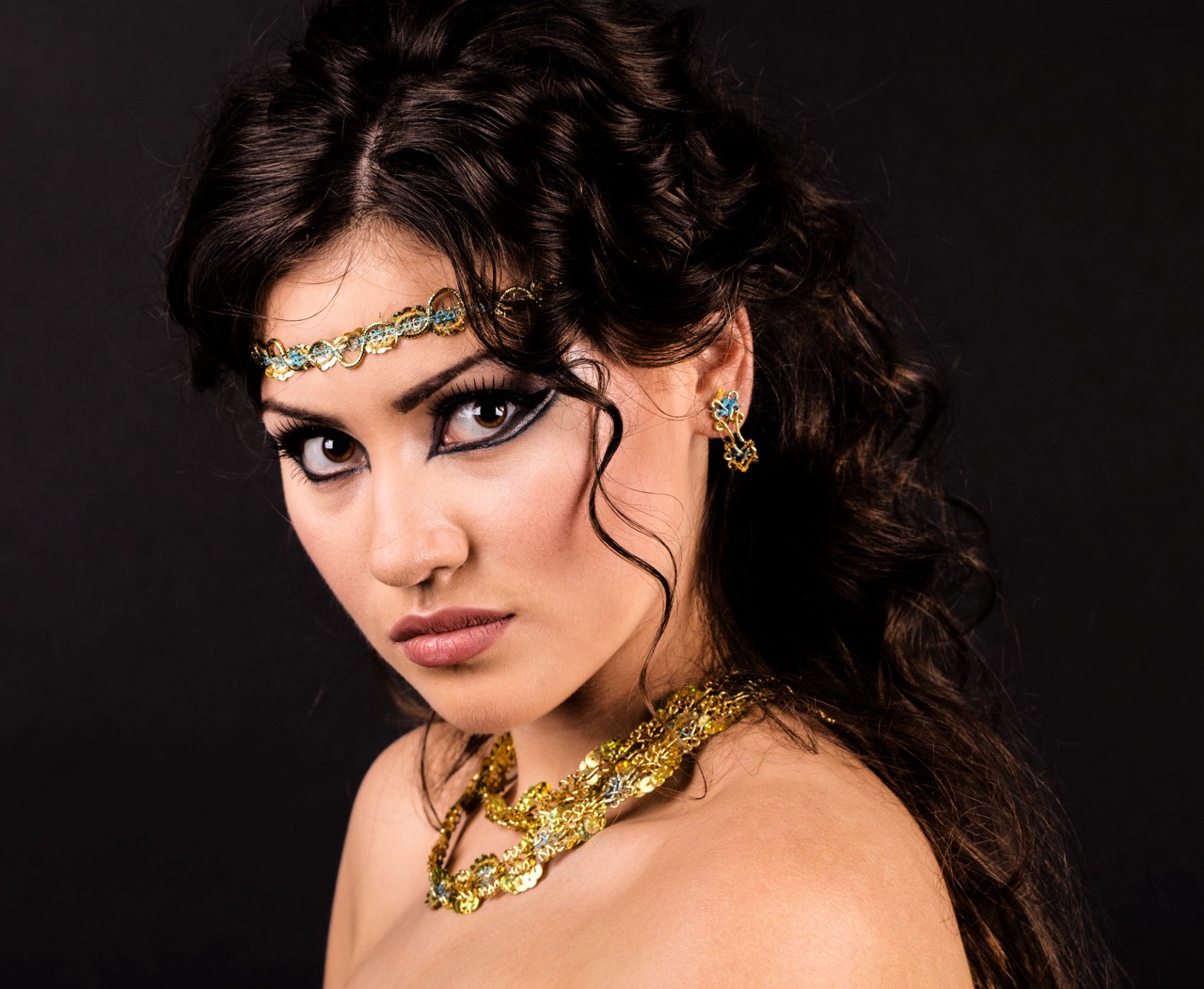





Dating can be a rich tapestry woven from threads of history, culture, and personal values. In the case of Persian dating, this complexity invites both celebration and contemplation. Persian traditions dating back thousands of years influence contemporary relationships, shaping how individuals navigate love and companionship today. As modernity collides with tradition, the question arises: how do young Persians maintain cultural continuity while also embracing the evolving landscape of dating? This article explores the vibrant world of Persian dating traditions, how cultural values impact modern relationships, the challenges faced in today’s dating scene, and the future of romantic practices within Persian communities.
Exploring the Rich Tapestry of Persian Dating Traditions
Persian dating traditions are steeped in a variety of historical and cultural influences that reflect the rich heritage of Iran. The concept of "bakhshesh," or mutual respect and understanding, plays a pivotal role in Persian romantic interactions. Historically, matches were often arranged by families, focusing on values such as social standing, education, and family lineage. This approach emphasizes the collective over the individual, reinforcing the idea that romantic relationships are a union of families rather than just two people.
Moreover, traditional Persian courtship rituals involve intricate customs, such as poetry, music, and dance, which serve as vehicles for expressing affection. These artistic elements not only enhance the romantic experience but also serve as a means of cultural expression. The use of poetry, especially the works of Rumi or Hafez, allows lovers to convey complex emotions in a culturally resonant way that transcends mere words. This emphasis on artistry in romance is a beautiful testament to the enduring influence of Persian culture.
In urban areas, the impact of globalization has introduced new dating practices, but many still hold onto traditional values. Young Persians often seek to harmonize modern dating apps with their cultural heritage, resulting in a fascinating blend of old and new. As they navigate this space, the essence of Persian dating, characterized by deep emotional connections and respect for familial ties, continues to resonate, even amidst changing societal norms.
How Cultural Values Shape Modern Persian Relationships
Cultural values play a significant role in shaping the dynamics of modern Persian relationships. Family remains central to the Persian experience, influencing everything from dating practices to long-term commitments. Young Persians often find themselves in a balancing act, trying to respect family expectations while pursuing their own romantic interests. The concept of "niyaz," or mutual need and longing, is a guiding principle, reminding individuals that love isn’t merely about passion—it’s about partnership and support.
Traditionally, relationships are viewed through the lens of collectivism, which can sometimes create tension between individual desires and familial obligations. Many young Persians express the desire for autonomy in choosing their partners, desiring relationships that are based on personal compatibility rather than just family approval. This shift reflects a broader trend toward individualism seen in many cultures today, yet the desire for familial approval still plays a significant role in romantic decisions.
Additionally, values such as loyalty, respect, and honor remain paramount in modern Persian relationships. For many, these ideals serve as a foundation for building trust and communication. Young couples often engage in open dialogues about their expectations and boundaries, striving to honor both personal desires and cultural values. This delicate balance leads to a unique and nuanced approach to love, where tradition and modernity intersect.
Navigating Love: The Challenges of Persian Dating Today
While the rich cultural heritage of Persian dating provides a solid foundation, navigating love in contemporary society isn’t without its challenges. One significant issue is the generational gap in attitudes toward relationships. Older generations may cling to more traditional views, while younger Persians often seek a dating landscape that allows for greater freedom and expression. This divergence can lead to misunderstandings and conflicts, particularly when family expectations clash with individual desires.
Another challenge is the influence of technology on relationships. Dating apps have become increasingly popular, enabling young Persians to connect with potential partners from diverse backgrounds. However, this convenience comes with its own set of complications. The rapid nature of online dating can sometimes foster superficial connections, raising concerns about the long-term sustainability of relationships formed in this manner. While technology can offer an avenue for exploration, it often requires individuals to recalibrate their approach to romance in a way that honors their cultural background.
Lastly, societal pressures, such as the expectation to marry early or have children, can weigh heavily on young Persians. This pressure often leads to anxiety and a sense of urgency that can be detrimental to forming genuine connections. Finding a partner who aligns with both personal values and familial expectations can be daunting. Many young Persians are left grappling with the dual desire for love and cultural acceptance, creating a complex emotional landscape that requires careful navigation.
Celebrating Heritage: The Future of Persian Romantic Practices
As Persian culture continues to evolve, so too does its approach to romantic practices. Many young Persians are actively seeking ways to celebrate their heritage while also adapting to modern realities. One exciting trend is the resurgence of traditional practices in contemporary settings. For example, couples are increasingly incorporating elements of Persian culture into their wedding ceremonies, such as traditional music, dances, and rituals, all while embracing more modern themes.
Furthermore, there is a growing appreciation for cultural expression as a means of connecting with partners. Poetry readings, art exhibitions, and cultural festivals are becoming popular venues for young Persians to meet and bond over shared heritage. These experiences not only foster a sense of community but also allow individuals to explore their cultural identity in a romantic context, amplifying the emotional resonance of their relationships.
Ultimately, the future of Persian romantic practices lies in the ability to harmonize tradition with modernity. As young Persians navigate the complexities of dating, they will likely continue to find innovative ways to honor their roots while also carving out their own paths. In doing so, they are not only preserving their cultural identity but also enriching the landscape of love with new narratives that reflect the evolving nature of their lives.
Persian dating is a fascinating interplay of rich traditions and modern realities. As young people navigate the complexities of love, they face the challenge of balancing familial expectations with their own desires. By understanding the historical roots and contemporary shifts in Persian romantic practices, we can appreciate the depth and nuance in the ways they connect with one another. Ultimately, the future of Persian dating holds a promise of cultural continuity, innovation, and a celebration of love in all its forms.