




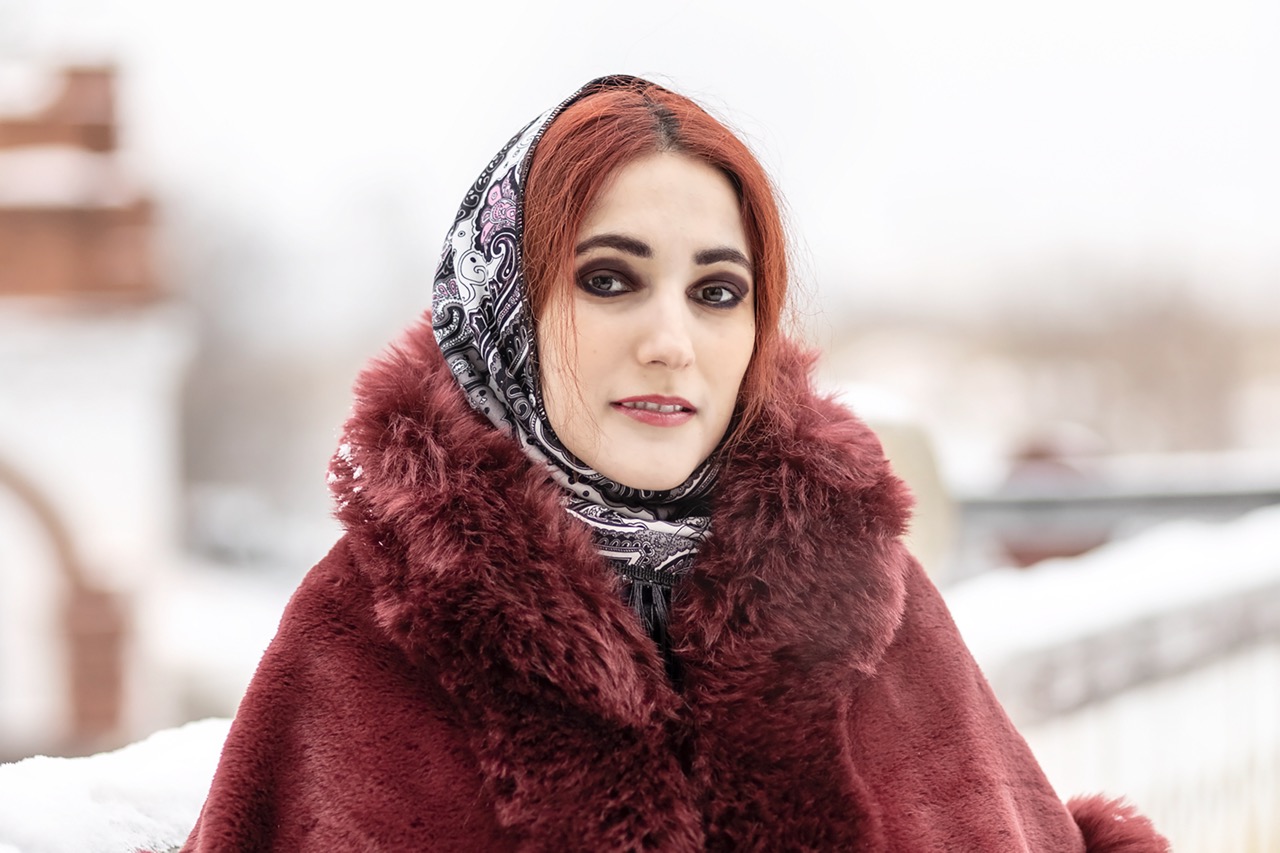
When you think of Persian dating, what comes to mind? Maybe it’s the rich tapestry of culture, the vibrant traditions, or perhaps the warmth of family involvement. However, navigating the world of love and romance in contemporary Persian society can feel like walking a tightrope, balancing age-old customs with the influences of modern life. In this article, we’ll explore how these two worlds collide and coexist in the realm of Persian dating, showcasing the unique blend of tradition and modernity.
Navigating the Fine Line: Tradition Meets Modern Dating
In today’s fast-paced world, young Persians are finding themselves at a crossroads between traditional values and modern dating practices. On one hand, the time-honored customs of courtship steeped in family approval and social gatherings are still very much alive. On the other hand, online dating platforms and social media have introduced a new way of connecting, allowing individuals more autonomy in choosing partners. This dynamic creates a fascinating interplay where traditional expectations meet contemporary choices.
For many young Persians, the challenge lies in maintaining their cultural identity while embracing the benefits of modern dating. For instance, texting has become a common method of communication, replacing some of the more formal courting rituals. However, this digital approach often comes with its own set of challenges, such as navigating parental expectations and societal pressures that can accompany such relationships. Ultimately, countless individuals strive to balance their desire for romantic freedom with the foundational values instilled during their upbringing.
Moreover, the art of dating has evolved, blending in elements such as casual outings and group dates alongside more traditional family-oriented gatherings. This shift allows individuals to explore relationships in a less pressured environment, while still keeping family connections in mind. As societal norms continue to change, the evolution of Persian dating reflects a fascinating negotiation between the past and the present, as couples navigate these waters with varying degrees of success.
Cultural Influences Shaping Persian Dating Practices Today
The cultural landscape of Persian dating is rich and complex, heavily influenced by historical traditions and modern societal changes. Various factors—such as globalization, migration, and the rise of individualism—play a significant role in redefining how relationships are formed and maintained. The influx of Western ideals has led to a noticeable shift in dating norms, where more young Persians are seeking partners based on love and personal compatibility rather than solely familial ties.
Social media and technology have further transformed the dating landscape. Platforms like Instagram and Tinder have become popular means for meeting potential partners, showcasing a blend of visual appeal and personal interaction that resonates with younger generations. This new form of engagement allows individuals to express themselves in unique ways, sometimes leading to a prioritization of personal happiness over traditional expectations. However, it can also create a disconnect between generations, as older relatives may not fully understand or accept these new dating norms.
Additionally, cultural events and festivals often serve as venues for singles to meet, reinforcing the importance of community in the dating process. While many young Persians are exploring modern dating methods, they often return to cultural events to root their relationships in shared heritage. This melding of old and new is emblematic of a generation that values both its traditions and the freedom to define love on their own terms.
The Role of Family in Modern Persian Relationships
Family plays a pivotal role in Persian dating, often serving as both a support system and a source of pressure. Traditionally, parents have had a significant say in their children’s choice of partners, which can sometimes lead to conflict between the desires of the individual and those of the family. While many young Persians are eager to assert their independence and choose their own partners, the influence of family remains a crucial aspect of the dating experience.
In many cases, young couples navigate this familial influence by involving their families in the relationship early on, seeking approval and maintaining open lines of communication. This approach can often ease tensions and create a supportive environment for the relationship to flourish. However, it can also lead to complications, as expectations from both partners and their families can sometimes clash. This delicate balance is a constant negotiation, as individuals aim to respect their roots while still pursuing personal happiness.
Interestingly, the role of family is evolving. More parents are beginning to understand the importance of their children’s emotional well-being and are becoming more lenient in their expectations. They recognize that love cannot always be arranged or dictated, leading to a more modern understanding of relationships. This gradual shift creates a more harmonious atmosphere for young Persians, who can enjoy their romantic lives without feeling guilty about stepping away from tradition.
Embracing Change: A New Era for Persian Romance
As the cultural landscape continues to shift, a new era of Persian romance is emerging that embraces change while honoring tradition. More young Persians are finding ways to express their identities through their relationships, often blending traditional practices with modern values. This transformation allows them to create their own unique narratives in love, leading to richer and more fulfilling connections.
In this new dating era, emotional intelligence and compatibility are often prioritized over societal expectations, with many seeking relationships that foster mutual respect and understanding. The focus is not just on finding a partner for marriage, but on building a lifelong bond that thrives on shared experiences and personal growth. This shift signifies a departure from merely fulfilling societal obligations to pursuing genuine happiness in love.
Moreover, as more individuals openly discuss their dating experiences and challenges, the stigma around modern dating practices is gradually diminishing. This openness fosters a greater understanding between generations, allowing both young and old to learn from one another. With each passing day, Persian dating becomes a richer, more inclusive tapestry that continues to honor its roots while evolving to meet the needs and desires of contemporary society.
In the end, Persian dating is a beautiful mosaic of tradition and modernity, where love can flourish in various forms. It’s a world where ancient customs coexist with the new, allowing individuals to carve out their own paths while honoring the values that have shaped their identities. As young Persians continue to navigate this complex landscape, the future of romance looks brighter than ever—filled with possibilities, love, and a deeper understanding of what it means to connect in a rapidly changing world.