




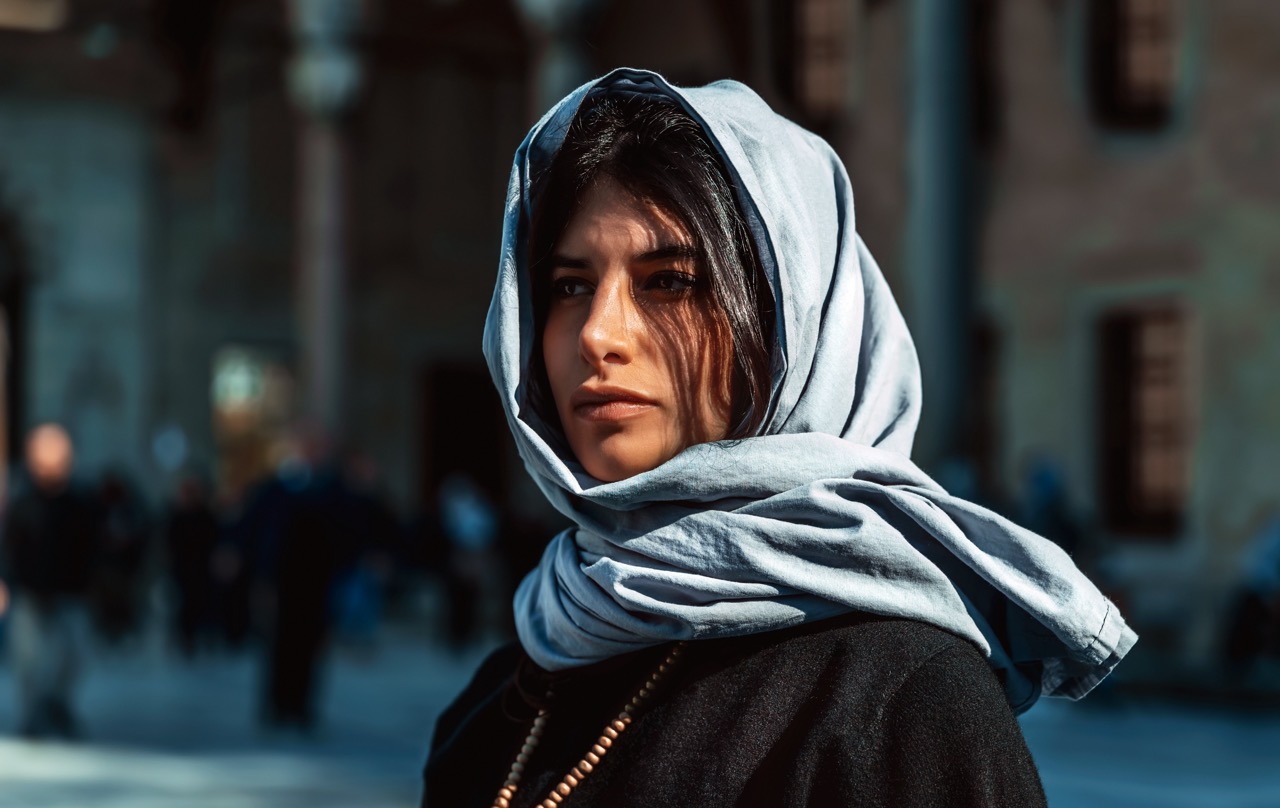
Dating within Persian culture has a unique flavor, deeply rooted in tradition yet evolving with modern influences. As generations shift, perspectives on dating have transformed, revealing a fascinating interplay between traditional values and contemporary ideals. From the older generation’s adherence to established norms to the younger generation’s quest for authenticity and individuality, the landscape of Persian dating is dynamic and diverse. This article explores how these generational differences shape dating practices, fostering a rich tapestry of relationship dynamics within the Persian community.
How Traditional Values Shape Dating for Older Generations
For older generations of Persians, dating is often intertwined with family expectations and traditional values. Marriage is frequently seen as a significant milestone, not just for the couple but for both families involved. In this context, dating is often less about romantic exploration and more about compatibility in terms of family background, education, and social status. The idea of "shadi" (marriage) is pivotal, with many seeking to marry early and establish families. Dates may involve family gatherings or supervised outings, where parents are closely involved in the matchmaking process.
Moreover, older Persians tend to prioritize stability and long-term commitment over the transient nature of modern dating. The concept of love often evolves through shared experiences and mutual respect rather than the passionate whirlwind romances popularized in contemporary media. Many older individuals view a successful relationship as one built on partnership and duty, with love growing over time rather than being the initial driving force. As a result, dating can seem more strategic than spontaneous, focusing on social cohesion and familial approval.
However, these traditional perspectives are not without their challenges. Older generations often grapple with the encroachment of modern dating norms, leading to clashes when it comes to the expectations of younger family members. This can create a generational divide where traditional values are questioned, leading to tensions within families. While older generations may advocate for adherence to cultural customs, younger individuals often push back, seeking greater freedom in how they express love and choose partners.
The Rise of Modern Love: Younger Persians Speak Up
Younger Persians are redefining dating norms, prioritizing personal happiness and emotional fulfillment over societal expectations. With influences from global culture and the rise of technology, many young Persians are embracing the concept of dating as an opportunity for exploration and self-discovery. Unlike their parents, who might have relied heavily on arranged matches, the younger generation is more likely to engage in casual dating, utilizing dating apps and social media to meet potential partners. This shift reflects a broader trend toward individualism and the quest for personal connection.
In addition to technological advancements, younger Persians are increasingly vocal about their desires and aspirations in relationships. They advocate for open communication, emotional intelligence, and mutual respect as foundational elements of a healthy partnership. This generation is challenging traditional gender roles, with both men and women seeking equal footing in relationships. There’s a growing emphasis on shared interests and compatibility over familial approval, with young people often prioritizing emotional bonds over socio-economic considerations.
While the pursuit of modern love brings excitement, it isn’t without its complications. Younger Persians often find themselves navigating cultural pressures from family expectations while trying to assert their independence. This can lead to a sense of conflict, as they attempt to honor their heritage while carving out their unique paths in dating and relationships. Nevertheless, this generational shift signals a progressive outlook, with younger Persians paving the way for more inclusive and diverse expressions of love within their communities.
Bridging the Gap: Common Ground in Dating Norms
Despite the generational divide, there are interesting overlaps in dating norms that demonstrate how younger and older Persians can find common ground. Both generations value the importance of family, albeit in different ways. For older Persians, family involvement is paramount, whereas younger individuals may still prioritize family but often seek to define that involvement on their own terms. Family gatherings and cultural celebrations remain significant, serving as venues for potential partners to meet and connect, reinforcing the idea that relationships are still deeply rooted in familial ties.
Another commonality lies in the respect for cultural traditions. Younger Persians often embrace their heritage and find ways to integrate it into their dating lives, albeit with a modern twist. For instance, many opt for traditional ceremonies, such as “khastegari” (formal proposal), but approach them with a more open mindset, allowing personal preferences to play a role. This blending of tradition and modernity showcases a commitment to preserving cultural values while adapting to contemporary realities.
Lastly, both generations seem to agree on the importance of communication and understanding in relationships. While the styles may differ—older generations may communicate more through actions and responsibilities, while younger ones are inclined toward verbal expressions—there exists a mutual recognition that healthy relationships require effort and empathy. By focusing on these shared values, both generations can bridge the gap, fostering a richer dating culture that draws from the strengths of both traditional and modern perspectives.
Future Trends: What’s Next for Persian Dating Culture?
Looking ahead, Persian dating culture is poised for further evolution as societal attitudes continue to shift. The integration of technology into daily life will likely lead to even more innovative ways for Persians to connect. Virtual dating, online matchmaking services, and social networking platforms will further bridge the gap between generations, allowing for more diverse expressions of love and connection. As globalization continues to influence cultural exchanges, younger Persians may blend elements from various cultures into their dating practices, creating a more eclectic approach to romance.
Additionally, as conversations around mental health and emotional well-being gain traction, there’s a growing awareness of the importance of emotional intelligence in relationships. This will likely lead to a focus on self-awareness and individual growth, influencing young Persians to seek partners who align with their values and aspirations. The steady decline of stigma around discussing relationship challenges may foster open dialogue, creating a healthier dating environment where both emotional and physical intimacy can flourish.
Lastly, the ongoing dialogue about gender roles and equality in relationships will undoubtedly shape future dating norms. As younger generations advocate for balance and mutual respect, traditional expectations may continue to be challenged. This evolving narrative will promote a more inclusive and egalitarian dating culture, where individuals feel empowered to pursue relationships that resonate with their authentic selves. The future of Persian dating culture, thus, looks promising, characterized by a blend of cherished traditions and progressive ideals.
In a cultural landscape rich with history and tradition, Persian dating reflects the complexities of generational shifts and evolving societal norms. From the traditional values that shaped older generations to the modern love stories being crafted by younger Persians, the journey of courtship continues to adapt and transform. As common ground is found and future trends emerge, it is clear that love in the Persian community is not just a reflection of the past, but a vibrant expression of the present and a hopeful glimpse into the future. This ongoing dialogue between tradition and modernity promises to enrich the dating experience for generations to come.